

 CANADA
 INDONESIA
 NEW ZEALAND
 SAUDI ARABIA
 SINGAPORE
 SOUTH AFRICA
 UNITED ARAB EMIRATES
 UNITED KINGDOM
 UNITED STATES
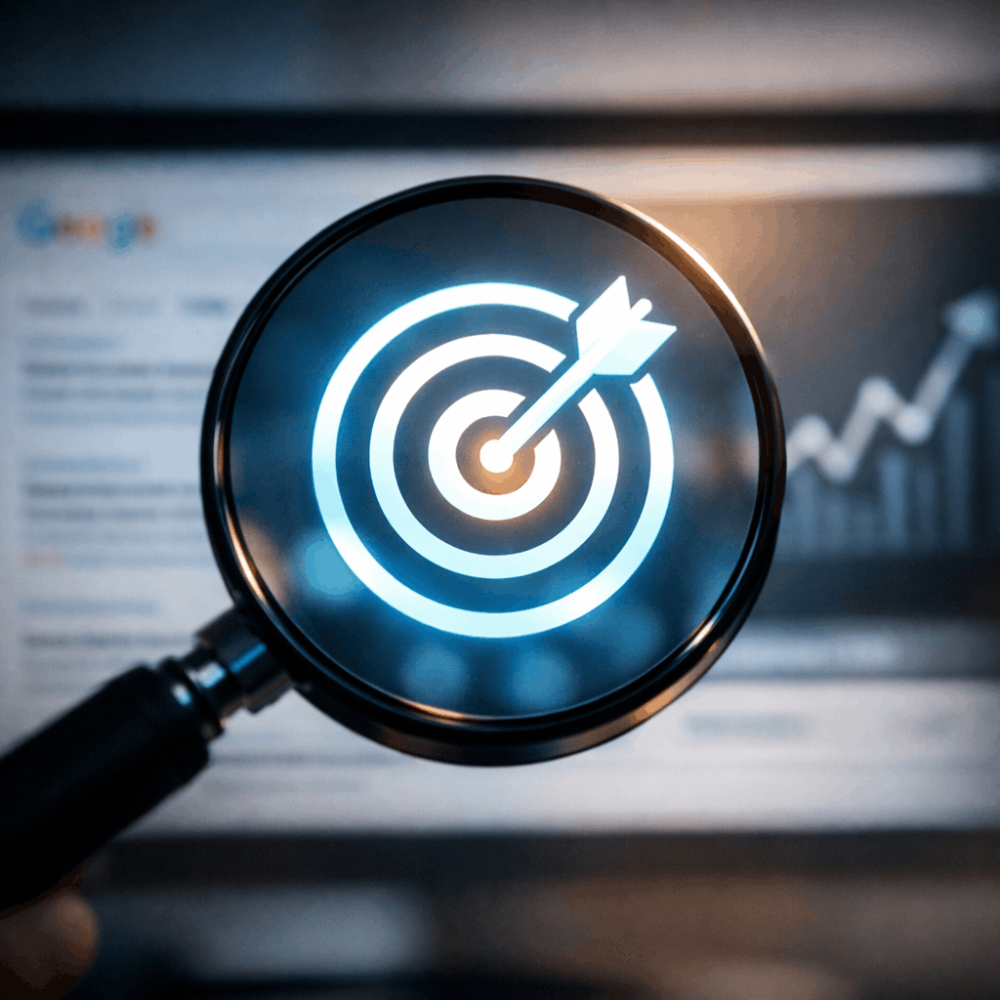
Have you ever wondered why your paid search campaign brings a surge of clicks but only a trickle of genuine inquiries? Many local businesses and franchise owners across the world face this same puzzle. Behind those numbers lies a simple truth. Not every searcher is your ideal customer, and not every keyword-optimized ad will reach someone who’s ready to choose you. As search behavior shifts, people are searching in more conversational, complex ways, expressing what they want in real time rather than typing rigid, predictable phrases. This evolution means traditional keyword-focused approaches may fall short, leaving your ads in front of the wrong eyes or missing relevant prospects entirely.
The landscape of paid search advertising is changing rapidly. It is no longer just about stacking dozens of keywords and hoping to net as many clicks as possible. Instead, the most successful campaigns today embrace an intent-first PPC strategy, where every ad and targeting choice is carefully crafted to align with not just what people are searching for, but why they are searching in the first place. This method values meaningful connections over broad exposure, focusing on those who are actively researching or ready to take action. Read on to see how understanding and applying paid search intent targeting can transform your results, helping you reach high-quality traffic and bring true value to your business.
Understanding the shift from keyword to intent in paid search
In the early days of PPC advertising, advertisers competed on the basis of keywords alone. The logic seemed simple. Find the words people type into Google, build ads around them, and wait for the clicks to pile up. Yet, as voice search, conversational queries, and mobile usage have grown, that keyword-only approach has become less effective.
Potential customers now phrase their needs as questions or describe their context and urgency. For example, they may type “best Italian restaurant near me open now” instead of just “Italian restaurant.” The intent behind these searches is clear. People are not browsing aimlessly. They have a specific outcome in mind. Relying on keywords alone often leads to wasted spend on people who are not ready to convert.
This is where an intent-first PPC strategy comes into play. By recognizing user intent in paid search, whether informational, navigational, commercial, or transactional, you can craft campaigns that address the actual needs driving those searches. With this deeper understanding, your ads land in front of those most likely to act.
How intent-based advertising brings higher-quality leads
A common challenge in pay-per-click marketing is attracting the right audience, not just the biggest audience. Many businesses have seen large numbers of clicks that lead nowhere. This happens when the focus is on volume rather than relevance. Intent-based advertising flips this approach on its head.
When your campaigns revolve around paid search intent targeting, you target individuals based on signals indicating their readiness to buy, book, inquire, or visit. For local businesses and franchises, this means reaching people who are actively looking for your solutions in Chicago, Toronto, Manchester, or their own local area. Instead of casting a wide net, you direct your budget toward those who matter most to your business goals.
The benefits of intent-based advertising include fewer wasted clicks, lower customer acquisition costs, and higher conversion rates. High-quality traffic PPC campaigns bring visitors who are pre-qualified, motivated, and much closer to becoming your next customer.
Why relevance trumps volume when planning PPC campaigns
Many agencies still promise an increase in click volume as a measure of success. However, relevance over volume in PPC is what truly impacts business outcomes. Only a minority of those clicks will turn into calls, bookings, or sales unless they are delivered to the right people at the right stage of their decision-making process.
An intent-first PPC strategy tailors ads and landing pages to address specific questions or pain points. If someone searches for “emergency plumber near me,” they want immediate help, not general information. Responding with relevant ads and landing pages signals to customers that you understand their need and can provide a solution right now. This approach builds trust and encourages action.
By aligning your ads with what your best customers want, you improve both cost efficiency and customer experience, which in turn enhances your business reputation.
Steps to create intent-focused PPC campaigns that work
Building effective intent-focused PPC ads begins with understanding the different types of intent behind search queries. Group your keywords and target audiences according to whether they are searching for information, comparing options, or ready to purchase.
Start by analyzing your existing campaigns for intent signals. Look at which searches are leading to conversions, and adjust your ad copy to speak directly to those needs. Use dynamic keyword insertion wisely to reflect specific searcher language, but always maintain clarity and relevance.
Write ad copy that addresses the buyer’s stage in their journey. For those further up the funnel, offer helpful guides or checklists. For those ready to act, emphasize immediate benefits, special offers, or easy booking processes. Geo-targeting can serve local intent more accurately, connecting your business with people nearby who are more likely to buy right away.
Finally, leverage the expertise of specialists offering PPC services for intent-driven ads. They understand the technology, data analysis, and copywriting skills needed to maximize your PPC ROI with intent strategy and to provide ongoing testing and optimization.
Improving PPC ROI with local intent targeting services
When you align your campaigns with user intent in paid search, every dollar spent has a higher chance of returning real value. For local businesses, intent-based strategies paired with geo-targeting drive even better results.
By working with a provider of local PPC intent targeting services, you ensure your ads are shown at the right time, in the right place, and to the right people. This reduces wasted ad spend and increases your chances of connecting with genuine leads who are actively searching for solutions you provide in your area.
Regular reporting, ongoing data analysis, and careful adjustments further optimize your campaigns to keep pace with changing trends and customer behavior. These steps ensure your investment continues to work harder for you over time.
Conclusion and a call to action for achieving PPC success
Shifting focus from a traditional keyword-based approach to an intent-first PPC strategy is one of the smartest moves a local business or franchise owner can make. With paid search intent targeting, you are not just bringing in more website visits—you are attracting the right people at the very moment they need your service or product most. Meaning becomes more valuable than mere numbers, and your advertising budget is spent more efficiently.
The benefits of intent-based advertising stand out clearly. You experience better lead quality, stronger conversion rates, higher customer trust, and a measurable improvement in ROI. High-quality traffic PPC campaigns put you one step ahead in local markets where competition can be fierce.
If your advertising strategy aims for relevance over volume in PPC, or you want to learn more about how to create intent-focused PPC ads that align with your goals, Top4 Technology can help. Our team specializes in delivering PPC services for intent-driven ads across the world, matching expertise with innovative tools to ensure your efforts truly connect with the audience that matters.
Let us help you realize the full potential of paid search. Reach out today or read more about our PPC services to see how we can tailor a campaign that delivers results, not just clicks.
FREQUENTLY ASKED QUESTIONS

Michael Doyle
Michael is a digital marketing powerhouse and the brain behind Top4 Marketing and top4.online. His know-how and over 23 years of experience make him a go-to resource for anyone looking to crush it in the digital space. To get the inside scoop on the latest and greatest in digital marketing, be sure to read his blog posts and follow him on LinkedIn.