


 CANADA
 INDONESIA
 NEW ZEALAND
 SAUDI ARABIA
 SINGAPORE
 SOUTH AFRICA
 UNITED ARAB EMIRATES
 UNITED KINGDOM
 UNITED STATES
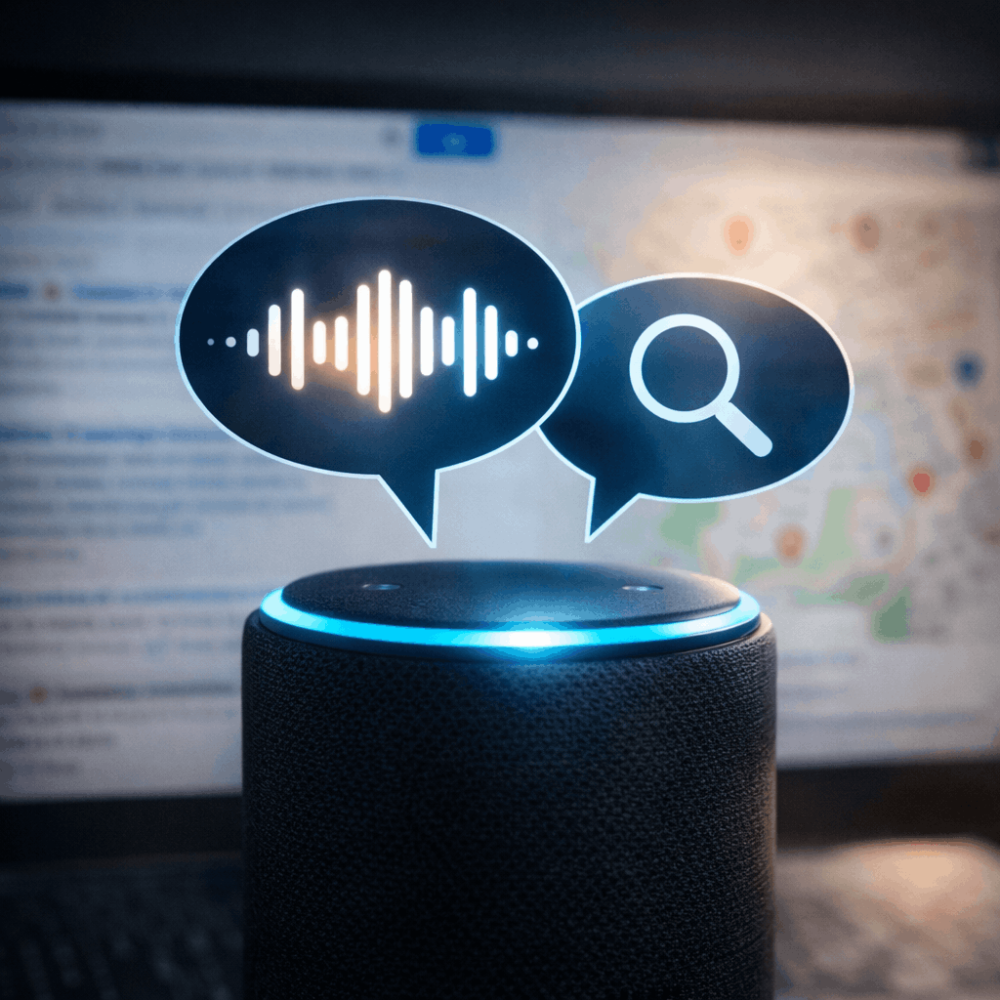
Have you ever asked your phone where the nearest coffee shop is or requested Siri to recommend a local plumber? If so, you are already part of a monumental shift in how people around the world find information online. The rise of voice assistants and AI-powered search tools has reshaped the entire digital landscape, compelling businesses to rethink traditional SEO playbooks. Search is no longer just about ranking for a handful of popular keywords. As consumer habits shift towards conversational and intent-driven queries, especially on mobile devices, having smarter search strategies is emerging as a key competitive edge.
For local businesses and franchise owners, these changes open a world of new possibilities and challenges. People are now searching on the go, asking highly specific questions using natural language. As a result, companies that still rely on old-fashioned tactics risk missing out on better online visibility, website traffic, and engaged customers. Competitive success now depends on a holistic digital marketing approach that adapts to voice-driven interactions, personalisation, and structured content. In this article, we break down the must-know strategies for data-driven marketing success, tailored for global businesses who want to remain ahead in an AI-led search environment.
Understanding Voice Search and Conversational Queries in Modern SEO
Voice search has evolved from a novelty to a staple in how many people globally find and interact with information. Unlike traditional text-based queries, voice searches are often longer, more conversational, and infused with intent. Instead of typing “Chicago florist,” people ask “Where is the nearest florist open now in Chicago?” These conversational queries require marketers to think beyond basic keywords and align content with the natural way people speak.
Incorporating voice search SEO strategies means analysing how your ideal customers phrase their questions aloud. Voice assistants prioritise quick, relevant answers, so content must be structured for clarity and directness. Integrating long-tail keyword marketing into your content helps match these detailed queries, making it easier for your business to appear as the top answer. Businesses that recognise this shift and optimise for real-world speech patterns position themselves for higher customer engagement and improved search rankings.
Why Local SEO Matters More Than Ever For Voice and Mobile Searches
It is no surprise that most voice searches have a strong local intent. Whether a customer is looking for “pizza shops near me” or “the best tire shop in Toronto,” they expect fast and accurate results relevant to their location. This is where local SEO for voice search becomes indispensable. Google and other search engines prioritise local listings for voice queries, often pulling information from Google Business Profiles, local citations, and well-structured website content.
Local businesses need to fine-tune their profiles for up-to-date addresses, opening hours, reviews, and service areas. Embedding local phrases and location-specific keywords within your website copy, meta descriptions, and headings also increases visibility. Optimising FAQs for search engines with questions that reflect what customers might actually ask helps search engines surface your business more easily. Voice search local business optimisation is not just a trend but an urgent requirement for remaining competitive in location-based searches.
Structuring Content With FAQs and Schema Markup For Maximum Visibility
Structured data and schema markup SEO play a pivotal role in helping search engines understand and deliver your content more efficiently. When users speak to their devices, they expect a specific answer, not a list of links. Featuring clear, straightforward FAQs on your site, especially those based on conversational queries, increases the chances of your business being selected as the answer.
Adding schema markup signals to search engines which parts of your content are most relevant for detailed answers or rich results. For example, marking up your location, services, and reviews can help Google display your details in featured snippets and local packs. Global businesses focusing on data-driven marketing SEO tactics will gain from investing in structured content that makes it easier for algorithms to interpret and prioritise their sites in voice and AI-driven search.
Personalising Search Marketing Techniques for Individual Customer Journeys
Todays users expect search results tailored to their individual needs, habits, and locations. Search engines are continually improving their algorithms to personalise answers for each user. Personalised search marketing techniques help deliver relevant experiences, increasing both engagement and conversion rates. Analysing customer data, behaviours, and feedback allows you to generate content that speaks directly to distinct customer segments.
By segmenting content for different audience profiles and incorporating tailored recommendations, your business can better address customer intent. This tailored approach aligns with the way AI search now presents results, factoring in user preferences, previous searches, and contextual cues. As a result, digital marketing services for AI search deliver steady, measurable growth instead of relying on one-size-fits-all campaigns.
Adopting Data-Driven Marketing SEO Tactics In a Changing Search Landscape
Standing out in a data-driven marketing world means making informed decisions based on measurable insights, not just intuition. Harnessing analytics tools reveals how real customers search, which queries convert best, and how new keywords emerge around evolving consumer language. Reviewing and updating your strategy frequently ensures your website content, FAQs, and local listings remain aligned with current search behaviours.
Working with digital marketing experts who understand the latest voice search SEO strategies and conversational search optimisation sets your business up for long-term success. Proactive planning and robust measurement create a feedback loop, so you can adjust campaigns quickly and efficiently based on real search trends and performance data. Staying agile in your approach means better online visibility and increased engagement with both new and returning customers.
Conclusion and Why Smarter Search Strategies Set Local Businesses Apart
The future of digital marketing belongs to businesses ready to meet customers where and how they search. Voice search, conversational queries, and personalised results are becoming the standard, not the exception. For local businesses and franchise owners, mastering these trends goes beyond adding new keywords, it calls for a comprehensive content, technical, and strategic overhaul.
Structured content, optimised FAQs, local signals, and a focus on individual customer journeys all contribute to greater online visibility and brand authority. Staying ahead means investing in voice search SEO strategies and data-driven marketing SEO tactics that anticipate how real people interact with technology. Adapting your approach today builds the foundation for stronger search rankings, greater customer trust, and sustainable growth in a competitive landscape.
If your business is ready to achieve better rankings and connect with more local customers through smarter, AI-driven digital marketing services, visit our digital marketing services page to see how we can help. Our specialists blend local SEO for voice search, structured data, conversation-driven content, and analytics to help your business succeed where it counts most, online and in your community.
FREQUENTLY ASKED QUESTIONS

Michael Doyle
Michael is a digital marketing powerhouse and the brain behind Top4 Marketing and top4.online. His know-how and over 23 years of experience make him a go-to resource for anyone looking to crush it in the digital space. To get the inside scoop on the latest and greatest in digital marketing, be sure to read his blog posts and follow him on LinkedIn.