

 CANADA
 INDONESIA
 NEW ZEALAND
 SAUDI ARABIA
 SINGAPORE
 SOUTH AFRICA
 UNITED ARAB EMIRATES
 UNITED KINGDOM
 UNITED STATES
Key Takeaways
-
SEO is expanding to GEO: Search is no longer just about blue links; buyers are asking LLMs for direct product recommendations.
-
How LLMs Choose Brands: AI engines rely on specific digital footprints, structured citations, and prompt-level sentiment rather than simple keyword density.
-
The Measuring Problem: Traditional SEO tools cannot tell you if ChatGPT recommended your product today. Generative Engine Optimization (GEO) requires continuous prompt-level tracking.
The Big Shift: From Search Results to Direct AI Answers
For over two decades, search marketing operated on a single clear mandate: rank on Page 1 of Google, win the click, and convert the visitor on your site.
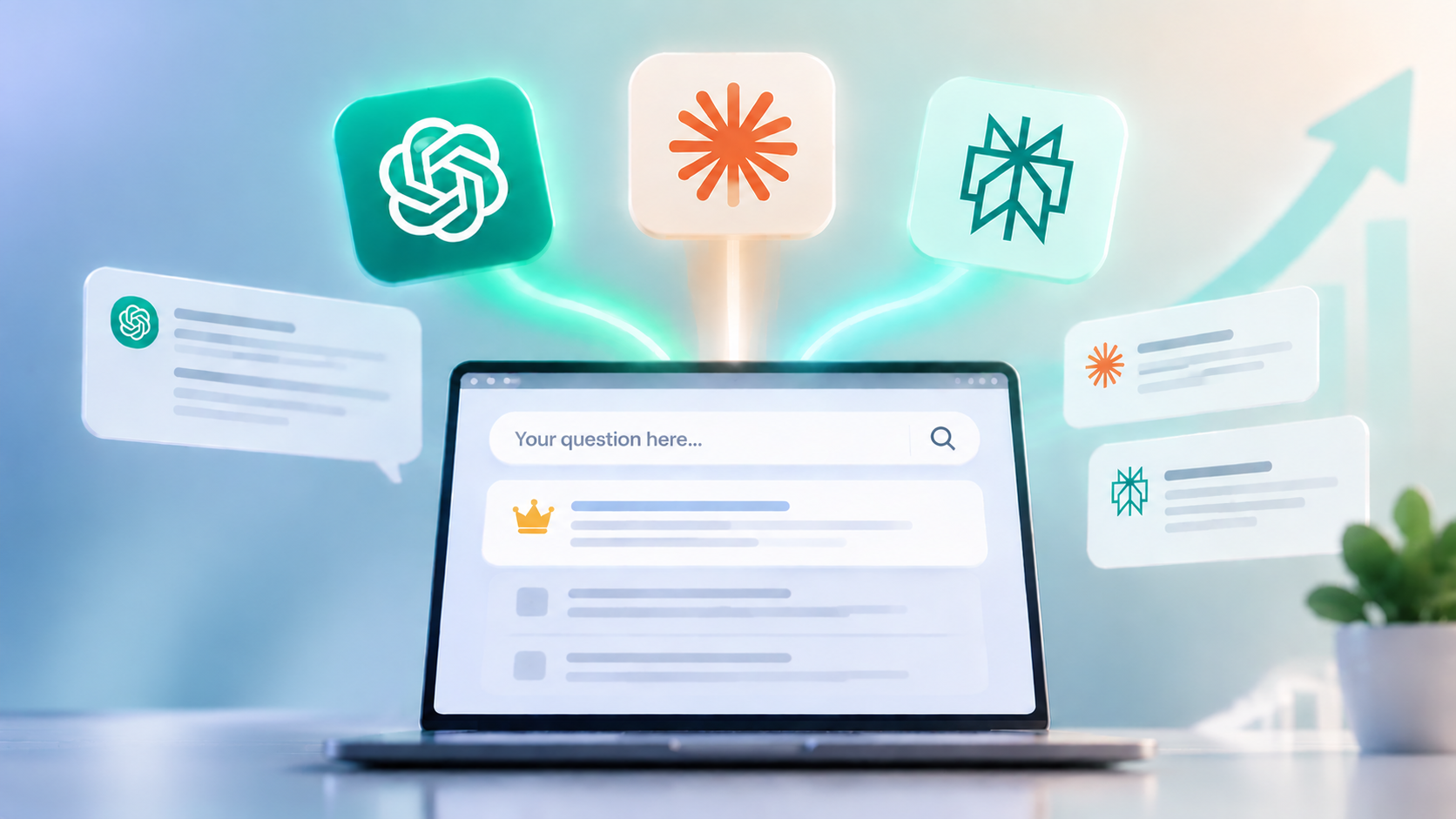
That user journey has fundamentally changed. Today, buyers use ChatGPT, Claude, Perplexity, and Google AI Overviews to answer commercial questions directly:
-
“What are the top 5 CRM platforms for mid-market B2B companies?”
-
“Compare open-source vs. hosted LLM observability tools.”
-
“Which product analytics software has the best SOC-2 compliance for healthcare?”
When a user asks these questions, the AI engine doesn’t return ten links. It generates one definitive summary containing 3–4 specific brand mentions instead. If your company isn’t in that short generated list, you are invisible to high-intent buyers.
This transition has given rise to Generative Engine Optimization (GEO): the practice of structuring your brand’s digital presence so AI language models accurately recognise and recommend your product.
SEO vs. GEO: Understanding the Core Differences
To optimise for Large Language Models (LLMs), you must first understand how their retrieval processes differ from traditional search crawlers.

4 Pillars of a High-Performing GEO Strategy
Based on prompt analysis across major AI providers, LLMs favor brands that demonstrate clear authority signals. Here is how to structure your brand presence:
1. Own Your Entity Footprint
LLMs do not scan pages in real time for every query; they query trained parameters and real-time search indices. Ensure your company’s core value proposition, product category, and target use cases are consistently described across Wikipedia, Crunchbase, LinkedIn, and tier-one industry publications.
2. Optimise for Retrieval-Augmented Generation (RAG)
Engines like Perplexity and Google AI Overviews pull live web sources to synthesise answers. They favor content structured with clear headings, tables, listicles, and expert quotes. If your content clearly answers “X vs Y comparison” or “Best tools for Z,” it is much easier for RAG pipelines to extract and cite.
3. Maintain High Cross-Model Agreement
Different LLMs use different underlying datasets. A brand might appear consistently in Perplexity due to recent news coverage but remain missing in ChatGPT due to outdated model context. Tracking across ChatGPT, Claude, Gemini, and Perplexity simultaneously helps identify where your messaging breaks down.
4. Continuous Citation Monitoring
When an AI engine recommends your product, it cites specific sources (e.g., G2, Reddit threads, tech blogs, partner directories). Identifying which web domains feed the LLM’s answers allows you to focus your PR and link-building where it actually sways AI outputs.
How to Track and Measure Your Brand’s GEO Score
You cannot optimise what you do not measure. Standard analytics platforms leave growth teams completely blind to LLM search volume and share-of-voice.
This is where dedicated LLM observability comes in. Using Scout LLM, marketing and growth teams can automatically monitor brand performance across high-intent buyer prompts.

By tracking prompt coverage weekly, you can pinpoint exactly when a competitor starts winning recommendations, and adjust your content distribution to reclaim your market share.
FREQUENTLY ASKED QUESTIONS

Michael Doyle
Michael is a digital marketing powerhouse and the brain behind Top4 Marketing and top4.online. His know-how and over 23 years of experience make him a go-to resource for anyone looking to crush it in the digital space. To get the inside scoop on the latest and greatest in digital marketing, be sure to read his blog posts and follow him on LinkedIn.