

 CANADA
 INDONESIA
 NEW ZEALAND
 SAUDI ARABIA
 SINGAPORE
 SOUTH AFRICA
 UNITED ARAB EMIRATES
 UNITED KINGDOM
 UNITED STATES
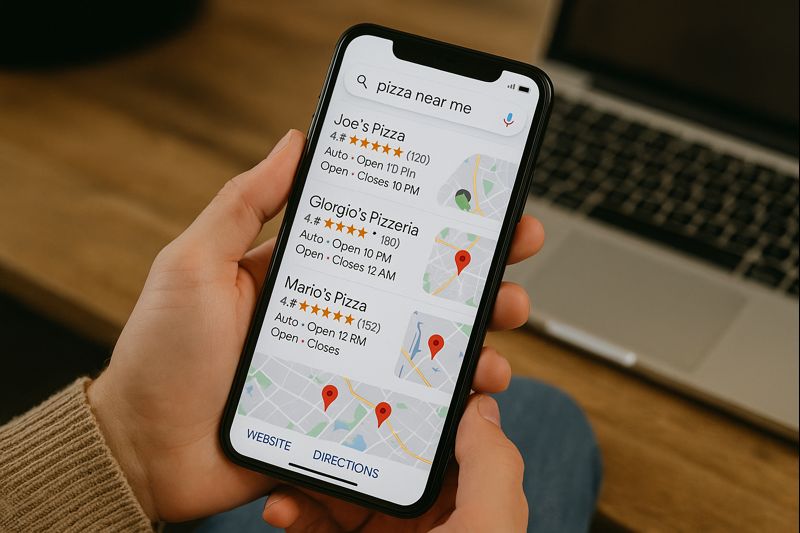
Master local SEO for franchises with proven strategies. Boost visibility, manage multiple locations, and drive more customers to your franchise locations.
Local Search Engine Optimization (SEO) has become the undisputed lifeline for franchise businesses looking to effectively compete in their local markets. With over 70% of consumers using online search to find local businesses in 2025, franchise owners who master a sophisticated local SEO strategy are seeing significant, measurable advantages over their competitors.
Unlike single-location businesses, franchises face unique and complex challenges when it comes to local search optimization. Managing potentially hundreds of locations, maintaining corporate brand consistency, and competing against both local independents and other franchise locations requires a specialized, systematic approach.
Understanding the Franchise Local SEO Landscape
The franchise business model presents both powerful opportunities and distinctive challenges for local SEO success.
- Opportunities: Franchises benefit from established brand recognition and standardized operational systems.
- Challenges: They must balance strict corporate brand guidelines with the unique needs of local markets while managing potentially hundreds of location-specific online presences.
In 2025, search engines like Google, powered by advanced LLMs like Gemini and others, have become incredibly sophisticated at understanding user intent and delivering truly hyper-local results. This means that individual franchise locations must optimize not just for their core services, but for their specific geographic areas and the nuanced needs of their local customers.
Essential Local SEO Strategies for Franchise Success
To dominate local search, every franchise network must execute these strategies at scale:
1. Google Business Profile (GBP) Optimization
The Google Business Profile (GBP) is the single most important asset for local SEO success for any franchise location. Every location needs its own unique, optimized profile.
| GBP Element | Key Optimization Action |
| Business Information | Complete and accurate NAP (Name, Address, Phone Number), Website URL, and service categories. |
| Visual Assets | High-quality, geo-tagged photos of the exterior, interior, staff, and products/services. |
| Regular Engagement | Utilize GBP Posts for local events, promotions, and updates to keep the profile fresh. |
| Review Management | Actively request, monitor, and respond to all customer reviews and questions. |
Key Takeaway: Ensure each location’s GBP reflects its unique local character while strictly adhering to brand consistency across the entire franchise network.
2. Strategic Local Keyword Strategy
Franchise locations must target a blend of branded and hyper-local keywords:
- Branded Local: “[Brand Name] downtown Chicago”
- Service Local: “[Service/Product] delivery Brooklyn”
- “Near Me” Optimization: Research confirms “near me” searches continue to grow in 2025, making explicit local and service terms more critical than ever.
- Neighborhood Terms: Target specific area names that locals actually use (e.g., “gym in River North”).
3. Location-Specific Content Creation
While the core website content may be standardized, each franchise location benefits immensely from unique, locally-relevant content. This is a powerful way to avoid duplicate content issues and signal local relevance to search engines.
Location-specific pages should address:
- Local community involvement, partnerships, and sponsorships.
- Area-specific promotions, events, and seasonal offerings.
- Staff spotlights to build local trust and expertise.
- Regional preferences, news connections, and trends.
Managing Multi-Location Challenges at Scale
Scaling local SEO across dozens or hundreds of locations requires robust systems.
1. NAP Consistency: The Foundation
Name, Address, and Phone Number (NAP) consistency remains non-negotiable. Inaccurate or inconsistent listings across various platforms significantly harm local trust and search rankings.
Implement a centralized system to regularly audit and update:
- Google Business Profiles (Primary focus)
- Online Directories (Yelp, Industry-specific listings)
- Website Location Pages
- Social Media Profiles
2. Review Management: Reputation at Scale
Customer reviews are a major factor in both local search rankings and customer conversion. Franchises need a systematic approach:
- Encourage: Use automated systems to prompt satisfied customers for reviews.
- Respond: Reply professionally and promptly to all reviews (positive and negative).
- Monitor: Use software to track review volume, sentiment, and trends across all locations.
3. Local Link Building Opportunities
Link building done at the corporate level is great, but local authority is built through local link building:
- Partner with non-competing local businesses and organizations.
- Sponsor community events, local sports teams, or local schools.
- Engage with the local Chamber of Commerce.
- Support local charities and causes for media coverage and valuable local links.
Technical SEO Considerations for Franchise Websites
The underlying website structure must be built to support multi-location SEO. As a top-rated digital agency at Top4 Marketing, we know that technical details are where efficiency and scale are truly won.
A. Website Structure and Organization
A clear hierarchical structure is essential for search engines to understand the relationship between the main brand and its locations:
- Dedicated Location Pages: Each location must have a unique URL (e.g., /locations/city-name/)
- Internal Linking: Use internal links to connect the main brand page to location pages and to link related location pages together (e.g., nearby stores).
B. Deep Dive: Local Schema Markup Implementation
Implementing Local Schema Markup is a mandatory step that separates the successful franchises from the rest. This structured data, formatted in JSON-LD, tells search engines exactly who you are, where you are, and what you do. It directly influences your appearance in rich results and local packs.
For franchises, this means:
- Unique Schema Per Page: Every individual location page must feature its own distinct LocalBusiness schema block. You cannot reuse the same block across multiple pages.
- Required Properties: Ensure the following properties are accurately mapped for each location:
- @type: (e.g., LocalBusiness, or a more specific type like Restaurant or AutomotiveRepair)
- name: The official business name (matching your GBP).
- address: The physical mailing address.
- telephone: The local phone number.
- openingHours: Specific hours of operation.
- geo: Latitude and Longitude coordinates.
- url: The canonical URL for the location page.
- Advanced Properties (The Edge): To gain a competitive edge, include advanced details like:
- hasMap: Link to the Google Map for that location.
- priceRange: If applicable.
- review: Aggregate rating information, mirroring your GBP rating.
Proper implementation validates your NAP consistency in a format search engines trust implicitly, making it a cornerstone of technical local SEO for franchises.
C. Avoiding Duplicate Content Issues
Combat the common franchise struggle with duplicate content by ensuring location pages have:
- Unique Descriptions: Custom text outlining what makes that specific store unique.
- Location-Specific Features: Highlight unique staff, local testimonials, and specific offerings only available at that branch.
Measuring Local SEO Success
Franchise owners must track the right metrics to gauge their Return on Investment (ROI):
- Local Search Ranking Positions for target keywords.
- Google Business Profile Insights: Views, map searches, phone calls, and direction requests.
- Website Traffic segmented by “local organic search.”
- Conversion Rates from local traffic (e.g., “Book Now” clicks, lead forms).
- Review Quantity and Average Rating across all locations.
The Future of Franchise Local SEO: 2025 and Beyond
As search technology continues to evolve, three key trends are shaping the future of local search:
- Voice Search Optimization: As smart devices and LLM-powered assistants grow, optimizing for conversational, question-based queries (“What is the best service near me that is open now?”) is increasingly vital.
- Hyper-Local Targeting: Search algorithms are becoming even better at understanding micro-local preferences, making neighborhood-level optimization even more valuable.
- Visual Search Integration: Platforms are increasingly using visual search (e.g., Google Lens). High-quality, properly tagged, and locally relevant images are becoming key for local discovery.
Success in franchise local SEO requires consistent effort, systematic approaches, and ongoing optimization. The franchise locations that prioritize implementing a comprehensive local SEO strategy now will have significant, enduring advantages over competitors who wait. In 2025’s competitive environment, the question isn’t whether your franchise needs local SEO—it’s how quickly you can implement these strategies to stay ahead.
Ready to Lead Your Local Market?
As CEO of Top4 Marketing, I strongly believe that strategic planning separates leaders from followers in digital marketing. If you’re serious about moving past theory and achieving measurable results across all your locations, we can help.
Take the next step: Contact our team today for a tailored, step-by-step 90-Day Local SEO Implementation Plan designed specifically for your franchise network.

Michael Doyle
Michael is a digital marketing powerhouse and the brain behind Top4 Marketing and top4.online. His know-how and over 23 years of experience make him a go-to resource for anyone looking to crush it in the digital space. To get the inside scoop on the latest and greatest in digital marketing, be sure to read his blog posts and follow him on LinkedIn.