

 CANADA
 INDONESIA
 NEW ZEALAND
 SAUDI ARABIA
 SINGAPORE
 SOUTH AFRICA
 UNITED ARAB EMIRATES
 UNITED KINGDOM
 UNITED STATES
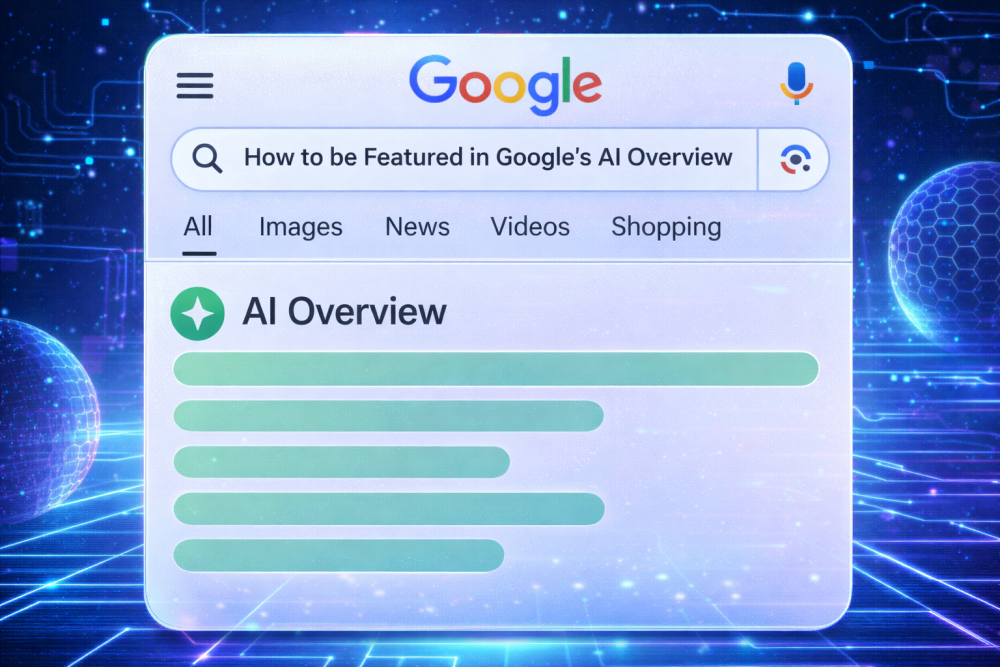
Imagine your best customers searching for your business, only to have their questions instantly answered by an AI-generated summary at the top of Google rather than your website. For local businesses and franchise owners, this is not a distant scenario, but a rapidly unfolding reality. AI overviews, powered by advanced models like Gemini, are transforming the way people discover information online. By 2026, industry analysts expect that over 60 percent of search queries will prompt an AI-powered response, fundamentally shifting consumer journeys and the rules of digital marketing.
This technological leap brings both uncertainty and opportunity. Traditional SEO strategies, refined over decades, falter when faced with AI summaries that blend content from multiple sources and reshape how searchers interact with answers. At the same time, the search landscape is fragmenting. Google’s AI overviews, Microsoft’s Bing AI enhancements, and new entrants like OpenAI’s search platform are all vying for user attention, each with their own algorithms, models, and ranking factors. The result is a crowded and fast-changing environment where universal optimization techniques no longer apply.
For marketing leaders, business owners, and enterprises wanting to remain visible and competitive, the need to adapt has never been greater. Success now relies on understanding the mechanics of AI-driven search, tailoring tactics to each platform, and still providing valuable, trustworthy information. In this article, we will unpack what AI overviews mean for visibility and growth, and share strategies local businesses and franchises can use to thrive in the age of AI-powered search.
How AI Overviews Are Redefining Search Behavior and Visibility
When AI overviews appear at the top of search results, they often satisfy user intent instantly, reducing the likelihood of people scrolling further or clicking through to websites. This phenomenon shifts the point of engagement away from traditional organic rankings, presenting challenges for marketers relying on established SEO tactics. The prominence of AI summaries compresses the window of opportunity for your brand to make an impression, especially when users get concise answers in a single glance.
For local businesses, the impact is especially profound. A potential customer asking which café in Chicago has award-winning coffee may see a Google AI overview that pulls in snippets sourced from broad online data, not just from traditional business listings or reviews. Websites that previously appeared on the first page may now find themselves pushed below the fold, or omitted from the AI summary entirely. For franchisors, this can affect brand consistency and the way franchise locations are represented.
With Bing and other platforms racing to infuse search with more generative AI capabilities, this trend is set to accelerate. As each platform deploys distinct models and interfaces, brands must rethink how they structure and present their information in order to maintain and grow their AI-driven search visibility.
Why Decades-Old SEO Strategies Are No Longer Sufficient
SEO was once about targeting relevant keywords, building authoritative backlinks, and earning high rankings on Google’s result pages. While these ingredients still matter, they are no longer the sole factors determining brand exposure in an AI-first search world. AI overviews rely on large language models, meaning they do not just reference the ten blue links. Instead, they extract, summarize, and combine information from multiple sites, evaluating credibility, recency, clarity, and uniqueness.
Content that simply repeats baseline information gets lost in the sea of sources AI models can access. Marketers must now provide original perspectives, cite reputable sources, and ensure content structure aligns with the types of questions users (and AI) are likely to ask. For local businesses, this means going beyond routine business details and adding in nuanced insights, customer testimonials, and up-to-date FAQs that AI models recognize as valuable and trustworthy.
This evolving landscape makes it harder for businesses to rely on formulaic SEO or duplicate content strategies. Brands must actively manage their digital footprint, monitor how their business is being summarized by AI, and be ready to adjust messaging and tactics as models are updated.
Adapting Marketing for AI Search Across Multiple Platforms
Success in the era of AI overviews is no longer about optimizing for just one search engine. Google, Bing, and emerging AI-driven search platforms employ different AI models and ranking signals. As a result, a one-size-fits-all approach falls short. Marketers need to cultivate platform-specific know-how while adhering to core best practices that serve them across a fragmented ecosystem.
For example, Google’s AI overviews place a strong emphasis on expertise, experience, authority, and trust. Your business content should answer common and complex customer queries clearly, offer practical value, and reference local data points wherever possible. On Bing, leveraging structured data and Schema mark-up can help the AI segment content accurately for rich responses. Meanwhile, newer platforms built by companies like OpenAI may rely more on conversation, interactivity, or long-form context, meaning businesses should prepare to be flexible with content length and format.
To stay ahead, marketers need to invest in continuous learning by monitoring updates from each platform and studying how AI-driven content is sourced and displayed. Maintaining a consistent voice and up-to-date information about your business will help solidify your brand in summaries across any platform.
Practical AI-powered Search Marketing Tactics Local Businesses Can Use
Preparing for the impact of AI overviews on SEO begins with assessing your existing website and content for relevance, accuracy, and value. Here are some practical tactics that local businesses and franchises can implement right now:
- Optimize for questions and conversational queries. AI overviews often respond to natural-sounding questions. Update your content to answer real customer queries, using headings and language that aligns with how people speak.
- Highlight local authority and expertise. Share unique stories, customer success cases, and insights specific to your business or region. These elements can set your business apart from generic sources in AI-generated summaries.
- Implement structured data and Schema mark-up. Help AI models understand your content’s context, such as opening hours, locations, awards, and services, making it easier for them to select relevant snippets.
- Monitor and manage reputation actively. Encourage recent and honest customer reviews. AI models often use third-party reviews to determine authority and reliability, influencing how your business appears in summaries.
- Audit how your brand is represented in AI summaries. Regularly search for your business using different engines and track how AI models portray your offerings, then refine your content strategy to guide the process.
Collaborating with a specialized partner can help fast-track these efforts. Top4 Technology’s AI LLM SEO Services are designed to grow visibility and relevance for businesses preparing for AI-powered search results. We support clients in Chicago, London, Toronto, and beyond to ensure their content speaks directly to both customers and search algorithms.
The Role of Platform-specific AI SEO Techniques and Ongoing Measurement
With search platforms continuing to evolve, marketers must treat AI-powered search as a constantly moving target. Platform-specific techniques are essential. For instance, adapting content format to suit Google’s concise summaries while also having in-depth explanations available for platforms that favor long-form answers will help expand overall reach.
Ongoing measurement becomes a key part of this new marketing mix. Instead of focusing solely on organic rankings, businesses should track the quality of AI-generated summaries, referral patterns from AI answers, and changes in traffic and engagement rates. Updates to AI models may affect how your business is represented overnight, so regular audits and swift optimization are vital.
Using AI-powered analytics and SEO tools can provide the insight necessary to maintain an adaptive approach. At Top4 Technology, our ongoing AI LLM SEO Services blend proactive strategy, technical optimization, and cross-platform monitoring to secure long-term success for our clients across every major search ecosystem.
Conclusion and Next Steps for Future-proofing Your Marketing
The rise of AI overviews signals a profound shift in digital marketing, requiring business owners and marketers to rethink long-held assumptions. As AI-generated answers claim more attention at the top of search results, the key to long-lasting visibility is a mix of adaptability, strategic content updates, and platform-specific expertise. Those relying solely on outdated SEO strategies will see diminishing returns as the role of AI in search continues to expand.
Proactive brands will prioritize authority and relevance, collaborate with partners who understand the nuances of AI search engine ranking factors, and invest in continuous improvement. By understanding how each platform’s AI interprets and showcases your content, you can shape a stronger, more consistent digital presence, while guiding prospective customers to valuable, trustworthy information about your business.
At Top4 Technology, we work hand in hand with local businesses and franchise owners to provide results-oriented AI LLM SEO Services. Our expert team navigates the complexities of AI-powered search marketing, ensuring your brand remains visible and credible amid change. If you are ready to adapt and grow your business in the age of AI search, contact us today to discuss how we can support your next steps.
FREQUENTLY ASKED QUESTIONS

Michael Doyle
Michael is a digital marketing powerhouse and the brain behind Top4 Marketing and top4.online. His know-how and over 23 years of experience make him a go-to resource for anyone looking to crush it in the digital space. To get the inside scoop on the latest and greatest in digital marketing, be sure to read his blog posts and follow him on LinkedIn.